Active Playful Learning – Learning & The Brain – Podcast Skip to main content
Listen to Episode
Don't miss an episode

Subscribe and follow along for new episodes.

EPISODE 02 CONFERENCE EDITION

Active Playful Learning

In this episode, Dr. Kathy Hirsh-Pasek and Dr. Roberta Golinkoff sit down to discuss some of the narrative shifts in education today, and share their work in promoting deeper learning through interactive experiences and guided play. They emphasize the importance of strong relationships in schools and cite research that underscores the importance of experiential learning processes.

Drawing on decades of research in developmental psychology, they unpack why playful, hands-on engagement isn’t a departure from rigorous learning but often the pathway to it — and what that means for how classrooms are designed and how teachers build trust with students.

"Play isn't the opposite of learning — it's one of the most powerful ways learning happens." — Dr. Kathy Hirsh-Pasek & Dr. Roberta Golinkoff

Featured Guests

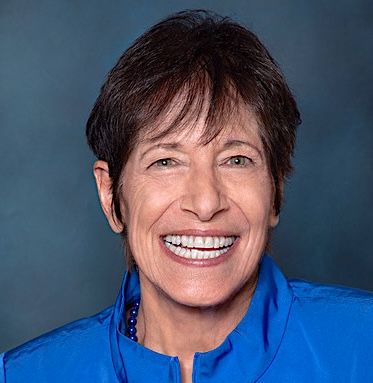
About Kathy Hirsh-Pasek, PhD

PhD, Temple University

Stanley and Debra Lefkowitz Faculty Fellow

Kathy Hirsh-Pasek, PhD, is the Stanley and Debra Lefkowitz Faculty Fellow in the Department of Psychology at Temple University. She is a Senior Fellow at the Brookings Institution and a Fellow at the Cognitive Science Society, the American Psychological Association, the American Psychological Society, and American Educational Research Association. She serves as Co-Director of the Child’s Play, Learning, and Development Laboratory. She is the author of several books and articles, including: Making Schools Work: Bringing the Science of Learning to Joyful Classroom Practice (2022), “Active Learning: “Hands-on” Meets “Minds-on” (2021, Science), “Play Could Help Reduce ‘COVID-19’ Slump in Learning” (2020, Child & Family Blog), “Cognitive Behavioral Science Behind the Value of Play: Leveraging Everyday Experiences to Promote Play, Learning, and Positive Interactions” (2020, Journal of Infant, Child, and Adolescent Psychotherapy), Becoming Brilliant (2016), Play = Learning (2009), and A Mandate for Playful Learning in Preschool (2008)

  • TEMPLE UNIVERSITY
  • THE BROOKINGS INSTITUTION
  • OXFORD UNIVERSITY
  • NATIONAL ACADEMY OF EDUCATION
  • LATIN AMERICAN SCHOOL FOR EDUCATIONAL AND COGNITIVE NEUROSCIENCE
  • PLAYFUL LEARNING LANDSCAPES ACTION NETWORK (PLLAN)
  • LEARNING SCIENCE EXCHANGE FELLOWSHIP (LSX)
  • ACTIVE PLAYFUL LEARNING
  • THE ULTIMATE BLOCK PARTY
  • ZERO TO THREE – BRIGHT HORIZONS – LEGO RESEARCH NETWORK – CHILDREN’S MUSEUMS

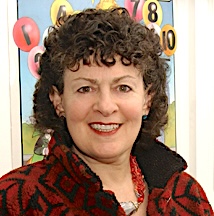
About Roberta Michnick Golinkoff

PhD, University of Delaware

Unidel H. Rodney Sharp Chair and Professor

Roberta Michnick Golinkoff, PhD, is the Unidel H. Rodney Sharp Chair and Professor at the School of Education at the University of Delaware. She also serves a Joint Appointments in the Departments of Psychological and Brain Sciences, and Linguistics and Cognitive Science at the University of Delaware. She is Co-Director of the Child’s Play, Learning, and Development Laboratory; She is the co-author of several books and articles on play, including Making Schools Work: Bringing the Science of Learning to Joyful Classroom Practice (2022), “Active Learning: ‘Hands-on’ Meets ‘Minds-on'” (2021, Science), “Brain Science and Guided Play” (2019, Serious Fun: How Guided Play Extends Learning), Becoming Brilliant (2016), Play = Learning (2009), and A Mandate for Playful Learning in Preschool (2008)

  • UNIVERSITY OF DELAWARE
  • CHILD’S PLAY, LEARNING, AND DEVELOPMENT LABORATORY
  • NATIONAL ACADEMY OF EDUCATION
  • AMERICAN PSYCHOLOGICAL ASSOCIATION (APA)
  • ASSOCIATION FOR PSYCHOLOGICAL SCIENCE (APS)
  • SOCIETY FOR RESEARCH IN CHILD DEVELOPMENT (SRCD)
  • CHILD DEVELOPMENT JOURNAL
  • UBC LANGUAGE SCIENCES
  • LEARNING SCIENCES EXCHANGE (LSX)
  • JUMPSTART – ULTIMATE BLOCK PARTY – PLAYFUL LEARNING LANDSCAPES INITIATIVE
Hosted By

Your Hosts for This Episode

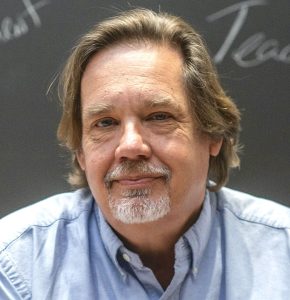
 David Daniel

David Daniel

Professor Emeritus of Psychology, James Madison University

Professor Emeritus of Psychology, James Madison University; Former Executive Director and Founding Board Member, International Mind, Brain, and Education Society; Former Managing Editor, Mind, Brain, and Education Journal; Recognized in the “Top 1% of Educational Researchers Influencing Public Debate” in the US; Co-Author, “Toward an Ecological Science of Teaching” (2021, Canadian Psychology), “Seeing Self and Others On-Screen Does Not Negatively Impact Learning in Virtual Classrooms” (2022, Scholarship of Teaching and Learning in Psychology)
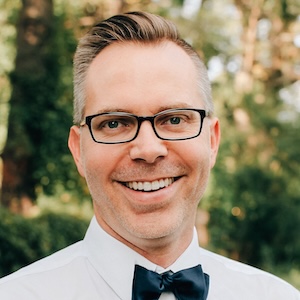

 John Almarode

John Almarode

Professor of Education, James Madison University

Professor of Education, James Madison University; Former Co-Editor, The Teacher Educators’ Journal; Co-Author, The Mathematics Playbook (2024), The Teacher Clarity Playbook, Grades K-12 (2024), The Early Childhood Education Playbook (2022), How Tutoring Works: Six Steps to Grow Motivation and Accelerate Student Learning (2021), How Learning Works (2021), Clarity for Learning (2018), From Snorkelers to Scuba Divers: Making the Elementary Science Classroom a Place of Engagement and Deep Learning (2017), and Visible Learning for Science (2017)

 Nistha Dube

Nistha Dube

MS Candidate Neuroscience & Education, Columbia University

Neuroscience & Education MS Candidate from Columbia University, Research Intern at Harvard Human Flourishing Program, Educational Consultant, whose mission is to empower individuals to cultivate intentionality and purpose in their everyday lives; Featured on Business Insider; TEDx and Keynote Speaker, whose long-term vision is to bring self-discovery techniques to schools so that youth are better equipped with techniques for developing self-awareness and making intentional decisions for their future; Author, Beyond the Skin (2021), “Test-focused Education Detrimental to Student Mental Health” (2017, CollegiateTimes)