logo

    Newsletter & Event Emails

    Left Line
    Logo
    Right Line

    © 2010-2026 Educator Resources, Inc. Teacher Conferences. All Rights Reserved.

    Teaching Motivated Minds

    Applying Brain Science to Boost Mastery, Motivation, Mindsets, Metacognition, and Learning

    November 12 - 14, 2026

    Hilton Austin or Virtually via Zoom

    ConferenceSchedulePre-ConHotel & Travel
    CreditsRegistration

    Program

    Conference registration is open now for Learning & the Brain's first annual fall conference in Austin, TX held at the Hilton Austin November 12-14, 2026.   

    This conference will be run as a hybrid conference.  Whether you attend in-person or remotely, recordings will be available for 45 days after the conference.
    Download BrochureRegister Now
    Teaching Motivated Minds

    IMPROVING MOTIVATION IN STUDENTS AND CLASSROOMS

    How can educators inspire students to become more motivated learners during an age of declining interest in school? A 2025 Brookings Institute “Disengagement Gap” Report, found that while 73% of third graders say they love school, that number falls to 42% by sixth grade and just 26% by tenth grade. Only 29% of tenth graders report learning things that matter in everyday life, and just 39% say they feel they belong at school. Yet, decades of research show that students are more motivated when learning is meaningful, relevant, appropriately challenging, and connected to their goals, interests, values, and sense of purpose.


    This Interdisciplinary Conference will bring together experts to explore the “Science of Student Motivation” and the research connecting motivation with mindsets and beliefs, mastery, autonomy, belonging, relevance, meaning, metacognition, and desirable difficulties. Learn evidence-based strategies to foster mastery and metacognition; empower agency through student voice and choice; strengthen a sense of belonging and purpose; promote deeper, more meaningful learning; and develop effective classroom practices.

    LEARNING OBJECTIVES

    You will gain knowledge about:
    The science of student motivation
    Strategies for evidence-based effective teaching
    How mindsets and beliefs shape student achievement
    The importance of metacognition and meaning for learning
    Strategies and feedback to promote mastery and competency
    Creating purposeful, meaningful, relevant learning experiences
    The role of relationships, values, and interest on engagement
    Promoting student autonomy, voice, choice, and struggle
    Using cognitive rigor and competency-based education
    Mindset beliefs on reading and STEM learning

    WHO SHOULD ATTEND:

    Educators, Parents
    Curriculum, Staff Developers
    Speech-Language Pathologists
    PreK-12 Teachers, Administrators
    Psychologists, School Psychologists
    Learning Specialists, Special Educators
    Early Childhood Educators, Professionals
    Technology, Reading, Math, Science Teachers
    School Social Workers, Wellness Professionals
    Superintendents, Principals, School Heads
    Academic, Motivation, and Mindset Coaches
    Physical Education, Health Teachers
    College, University Professors

    Featured Speakers

    Visible Teaching: A Reframing of “Visible Learning” and a Call to Arms
    David B. Daniel, PhD, Conference Chair
    David B. Daniel, PhD, Conference Chair
    Professor Emeritus of Psychology, James Madison University; Former Executive Director and Founding Board Member, International Mind, Brain, and Education Society; Former Managing Editor, Mind, Brain, and Education Journal; Recognized in the “Top 1% of Educational Researchers Influencing Public Debate” in the US; Co-Author, “Toward an Ecological Science of Teaching” (2021, Canadian Psychology), “Seeing Self and Others On-Screen Does Not Negatively Impact Learning in Virtual Classrooms” (2021, Scholarship of Teaching and Learning in Psychology), and “E-Textbooks at What Cost? Performance and Use of Electronic v. Print Texts” (2013, Computers and Education)
    Motivation & Myth: Science-Based Strategies to Boost Motivation in Yourself and Your Students
    Wendy S. Grolnick, PhD
    Wendy S. Grolnick, PhD
    Professor of Psychology, Frances L. Hiatt School of Psychology, Clark University; an expert on motivation who pioneered studies on the role parents and teachers play in children's motivation and achievement; American Psychological Association Fellow; Member of the American Psychological Association’s Committee on Children, Youth and Families and the Coalition for Psychology in Schools and Education; Author, Motivation Myth Busters: Science-Based Strategies to Boost Motivation in Yourself and Others (2024), Pressured Parents, Stressed-Out Kids: Dealing with Competition While Raising a Successful Child (2008), and The Psychology of Parental Control: How Well-Meant Parenting Backfires (2002) 


    Breaking Bad (Habits): Catalyzing Metacognition and Effective Strategies for Better Learning
    Regan A. R. Gurung, PhD
    Regan A. R. Gurung, PhD

    Social Psychologist; Professor of Psychology, School of Psychological Science, Oregon State University; Founding Co-Editor of APA’s Scholarship of Teaching and Learning in Psychology Journal; Co-Chaired the APA Introductory Psychology Initiative, and Past President of Psi Chi, the International Honor Society in Psychology and the Society for the Teaching of Psychology; TED Speaker; Recipient of the American Psychological Foundation’s “Charles L. Brewer Award for Distinguished Teaching in Psychology” Award and Oregon State University’s highest teaching award, the “Elizabeth P. Ritchie Distinguished Professor” Award in 2024; Co-Author, Teach Like a Champ: The Psychology-Based Guide to Effective and Efficient Teaching (2026) and Study Like a Champ: The Psychology-Based Guide to “Grade A” Study Habits (2023)


    The Power of Meaning to Motivate: Aligning Our Purpose, Belonging, and Values for Success
    Emily Esfahani Smith, MA
    Emily Esfahani Smith, MA

    Clinical Psychologist; Lead Assistant Instructor, Consultant, University of Pennsylvania, International Best-Selling Author; Writer; Popular TED Speaker with over 15 million views; Managing Editor, Hoover Institute; Board Member, Project Wayfinder; Author, The Power of Meaning: Crafting a Life That Matters (2017)

    Motivation + Metacognition
    Bradley K. Busch, MSc
    Bradley K. Busch, MSc

    Chartered Psychologist with the British Psychological Society; Practitioner Psychologist with the Health Care Professionals Council; Director, InnerDrive; Former Associate Lecturer, The Open University, UK; Translator on teaching and learning research; Leading Expert on cognitive science in education; Co-Author, Teaching and Learning Illuminated: The Big Ideas, Illustrated (2023), The Science of Learning: 99 Studies That Every Teacher Needs to Know (2021), Retrieval Practice 2: Implementing, Embedding and Reflecting (2021), A Parent’s Guide to The Science of Learning (2021), and Release Your Inner Drive (2017)

    The Human Check: Why Short Oral Vivas Are the Secret Engine of True Mastery
    Jonathan H. Bergmann, MA
    Jonathan H. Bergmann, MA

    Science Teacher and Staff Developer for AI-Infused Mastery Learning, Houston Christian High School; Educational Consultant, Flipped Learning LLC; Former Chief Academic Officer, Flipped Learning Global Initiative; Author, "AI Will Stupefy Our Students Unless We Do These Six Things" (2025, Educate AI), Flip Your Classroom: Reach Every Student in Every Class Every Day (2023, Revised Edition), The Mastery Learning Handbook (2022), Solving the Homework Problem by Flipping the Learning (2018); Co-Author, The Operating System for the Future of Talent Development (2017), Flipped Learning for Elementary Instruction (2016), and Flipped Learning: Gateway to Student Engagement (2014)

    Rekindling Your Child’s Motivation
    Ellen B. Braaten, PhD
    Ellen B. Braaten, PhD

    Associate Professor, Psychology and Psychiatry, Harvard Medical School; Psychologist, Psychology Leadership Team, Executive Director, Learning and Emotional Assessment Program (LEAP), Massachusetts General Hospital; Instructor, Colorado State University; Advisory Board, Magination Press, American Psychological Association; Member, International Academy for Research on Learning Disabilities; Co-Director of the Clay Center for Healthy Young Minds; Author, Bright Kids Who Couldn’t Care Less: How to Rekindle Your Child’s Motivation (2023); Co-Author, The Motivation Mindset Workbook: Helping Teens and Tweens Discover What They Love to Do (2025) and Bright Kids Who Can’t Keep Up: Help Your Child Overcome Slow Processing Speed and Success in a Fast-Paced World (2014)

    Just Do This: Create a More Engaging and Inspiring School Culture
    Steven A. Bollar, MA
    Steven A. Bollar, MA

    K-12 Climate and Culture Specialist, Stand Tall Enterprises, LLC; Former Adjunct Professor, Rutgers University; Consultant, New York State Education Department; Assistant Scoutmaster, Cubmaster, Boy Scouts of America; Member, Association for Supervision and Curriculum Development; Member, Atlantic County Association of School Administrators; Member, New Jersey Association of School Administrators; Author, Just Do This...The Educator’s Guide to Improve Culture and Climate in the Classroom, School, District (2025), Stand Tall Leadership (2020), and Ideas, Ideas, Ideas (2016); Co-Author, 10-Minute Classroom Openers (2023); Contributor, Because of a Teacher: Stories of the Past to Inspire the Future of Education (2021)

    The Science of Motivating Young People
    David S. Yeager, PhD
    David S. Yeager, PhD

    Co-Founder and Scientific Director, Alpha Motivation Lab; Raymond Dickson Centennial Professor of Psychology; Founder and Director, Texas Behavioral Science and Policy Institute, The University of Texas at Austin; Co-Principal Investigator, The National Study of Learning Mindsets, the Texas Mindset Initiative, and the Texas Behavioral Science and Policy Institute; Former Fellow, The Carnegie Foundation for the Advancement of Teaching; Author, 10 to 25: The Science of Motivating Young People: A Groundbreaking Approach to Leading the Next Generation for Managers, Parents, and Educators (2024); Co-Author, "Peer Mindset Culture as a Developmental Context for Belonging" (2025, Educational Psychology Review), "A Values-Aligned Intervention Fosters Growth Mindset, Supportive Teaching, and Reduces Inequities in Educational Outcomes" (2023, Proceedings of the National Academy of Sciences) and "A National Study Reveals Where a Growth Mindset Improves Achievement" (2019, Nature)

    Getting Them to Eat Peas When All They Want Is Ice Cream: Student Autonomy, Agency, and Adversity
    John T. Almarode, PhD
    John T. Almarode, PhD
    Professor of Education, James Madison University; Co-Editor, Teacher Educator Journal; Co-Author, The Mathematics Playbook (2024), The Teacher Clarity Playbook, Grades K-12 (2024), The Early Childhood Education Playbook (2022), How Tutoring Works: Six Steps to Grow Motivation and Accelerate Student Learning (2021), How Learning Works (2021), Clarity for Learning (2018), From Snorkelers to Scuba Divers: Making the Elementary Science Classroom a Place of Engagement and Deep Learning (2017), Visible Learning for Science (2017), and Captivate, Activate, and Invigorate the Student Brain in Science and Math, Grades 6–12 (2013)

    1) MOTIVATED MINDS: CHANGING BELIEFS & MINDSETS FOR ACHIEVEMENT

    Motivation and Myth: Science-Based Strategies to Boost Motivation in Yourself and Your Students
    Wendy S. Grolnick, PhD
    Wendy S. Grolnick, PhD
    Professor of Psychology, Frances L. Hiatt School of Psychology, Clark University; an expert on motivation who pioneered studies on the role parents and teachers play in children's motivation and achievement; American Psychological Association Fellow; Member of the American Psychological Association’s Committee on Children, Youth and Families and the Coalition for Psychology in Schools and Education; Author, Motivation Myth Busters: Science-Based Strategies to Boost Motivation in Yourself and Others (2024), Pressured Parents, Stressed-Out Kids: Dealing with Competition While Raising a Successful Child (2008), and The Psychology of Parental Control: How Well-Meant Parenting Backfires (2002) 


    Recent Advances in Situated Expectancy-Value Theory and Their Implications for Education in the AI Age
    Allan L. Wigfield, PhD
    Allan L. Wigfield, PhD

    Professor Emeritus; Distinguished Scholar Teacher, Department of Human Development and Quantitative Methodology, University of Maryland; Honorary Professor of Psychology, University of Heidelberg; Distinguished International Professor, Hector Research Institute for Education Sciences and Psychology, University of Tubingen; K-CLUB Adjunct Faculty, Department of Education and Brain and Motivation Research Institute, Korea University; Consultant, Digital Promise, Lexia Core5 Reading; Member, American Educational Research Association; Member, Society for Research in Child Development; Elected Member, National Academy of Education; Recipient of the 2019 AERA Division C “Sylvia Scribner” Award; Co-Author, Motivation, Achievement, and Situated Expectancy-Value Theory: Making One’s Future (2026), “’Can (A) I Do This Task?’: The Role of AI as A Socializer of Students' Self-Beliefs of Their Abilities” (2025, Learning and Individual Differences), “The Role of Children's Achievement Values in the Self-Regulation of Their Learning Outcomes” (2023, Self-Regulation of Learning and Performance), and “A Brief History of Research into Reading Motivation” (2023, Handbook of Research on Teaching the English Language Arts)

    Mindsets and Identities to Empower Student Learning
    Veronica X. Yan, PhD
    Veronica X. Yan, PhD

    Assistant Professor of Educational Psychology, The University of Texas at Austin Fellow, Mind & Society Center, University of Southern California; Courtesy Appointment, LBJ School of Public Affairs, The University of Texas at Austin; Recipient of the “Rising Star” Award from the Association of Psychological Science and the “J Don Read Early Career Research” Award from the Society of Applied Research; Co-Author, “What Is the Purpose of School? Predictors and Consequences of Perceived School Relevance” (2024, Predictors and Consequences of Perceived School Relevance), “Becoming Better Learners, Becoming Better Teachers: Augmenting Learning via Cognitive and Motivational Theories” (2023, Human Arenas), Learning Styles, Classroom Instruction, and Student Achievement (2022), and “Who Is Part of the “Mindset Context”?: The Unique Roles of Perceived Professor and Peer Mindsets in Undergraduate Engineering Students’ Motivation and Belonging” (2021, Frontiers in Education)

    From Beliefs to Action: Making Growth Mindset Visible to Students
    Katherine M. Muenks, PhD
    Katherine M. Muenks, PhD

    Associate Professor; Louise Spence Griffeth Fellow for Excellence, Department of Educational Psychology, The University of Texas at Austin, Principal Investigator, Learning and Motivational Beliefs (LAMB) Lab; Associate Editor, Journal of Educational Psychology; Editorial Board Member, Review of Educational Research; Member, American Educational Research Association; Co-Author, “How Will I Be Graded? The Past, Present, and Future of Research on Grading Policies and Student Motivation in Secondary and Postsecondary Education” (2026, Educational Psychology), “Can Growth Grow? Measuring Growth Rate Orientation (GRO) Beliefs: An Unexplored Avenue into Understanding Mindsets” (2025, Social Psychology of Education), and “The Secret Language of Peers: How Peer Behaviors Signal Mindset and Influence Classroom Experiences” (2025, British Journal of Educational Psychology),

    Rekindling Your Child’s Motivation
    Ellen B. Braaten, PhD
    Ellen B. Braaten, PhD

    Associate Professor, Psychology and Psychiatry, Harvard Medical School; Psychologist, Psychology Leadership Team, Executive Director, Learning and Emotional Assessment Program (LEAP), Massachusetts General Hospital; Instructor, Colorado State University; Advisory Board, Magination Press, American Psychological Association; Member, International Academy for Research on Learning Disabilities; Co-Director of the Clay Center for Healthy Young Minds; Author, Bright Kids Who Couldn’t Care Less: How to Rekindle Your Child’s Motivation (2023); Co-Author, The Motivation Mindset Workbook: Helping Teens and Tweens Discover What They Love to Do (2025) and Bright Kids Who Can’t Keep Up: Help Your Child Overcome Slow Processing Speed and Success in a Fast-Paced World (2014)

    Developing Growth Mindset Thinking in the Classroom
    Mary Cay Ricci, MS
    Mary Cay Ricci, MS

    Consultant; Author; Former Faculty Associate, Graduate School of Education and Central Office Administrator, Johns Hopkins University; Author, Mindsets in the Classroom: Building a Growth Mindset Learning Community (2024, 3rd Edition), Mindsets for Parents:Strategies to Encourage Growth Mindsets in Kids (2023, 2nd Edition), Ready-to-Use Resources for Mindsets in the Classroom (2020, 2nd Edition), Nothing You Can't Do!: The Secret Power of Growth Mindsets (2018), Create a Growth Mindset School: An Administrator's Guide to Leading a Growth Mindset Community (2018), and Mindsets in the Classroom (2017)

    Integrating Evidence-Based Instruction and Growth Mindset Practices for Effective Intervention for Struggling Readers
    Sharon R. Vaughn, PhD
    Sharon R. Vaughn, PhD

    Director, Reading and Dropout Prevention Institute; Executive Director, The Meadows Center for Preventing Educational Risk; Manuel J. Justiz Endowed Chair in Education; Professor, Department of Special Education; Principal Investigator, i-SMART: Intervention to Support Mindsets and Reading Together; The University of Texas at Austin; Recipient of several awards, including the “Distinguished Faculty and Research” Award, the Jeannette E. Fleischner Award for “Outstanding Contributions in the Field of LD” from the CEC; the AERA SIG “Distinguished Researcher” Award, and College of Education Dean’s “Distinguished Research” Award; Co-Author, Strategies for Teaching Students With Learning and Behavior Disabilities (2024, 11th Edition) and Teaching Students Who Are Exceptional, Diverse, and At Risk in the General Educational Classroom (2023, 8th Edition), Literacy Foundations for English Learners: A Comprehensive Guide to Evidence-Based Instruction (2020), and Effective Instruction for Middle School Students With Reading Difficulties: The Reading Teacher's Sourcebook (2012)

    Tackling the Motivation Crisis
    Mike Anderson, MS
    Mike Anderson, MS

    Educational Consultant; Former Teacher and Literacy Instructor; Former Program Developer, Northeast Foundation for Children; Author, Rekindle Your Professional Fire (2024), Tackling the Motivation Crisis (2021), and What We Say and How We Say it Matters: Teacher Talk That Improves Student Learning and Behavior (2019)

    The Science of Expectancy Value Theory and Decision Making in the Classroom
    Nistha Dube, MS Candidate
    Nistha Dube, MS Candidate

    Neuroscience & Education MS Candidate from Columbia University; Co-host, Learning & The Brain Podcast, Research Intern at Harvard Human Flourishing Program, Educational Consultant, whose mission is to empower individuals to cultivate intentionality and purpose in their everyday lives; Featured on Business Insider; TEDx and Keynote Speaker, whose long-term vision is to bring self-discovery techniques to schools so that youth are better equipped with techniques for developing self-awareness and making intentional decisions for their future; Author, Beyond the Skin (2021), "Test-focused Education Detrimental to Student Mental Health" (2017, CollegiateTimes)

    The Science of Motivating Young People
    David S. Yeager, PhD
    David S. Yeager, PhD

    Co-Founder and Scientific Director, Alpha Motivation Lab; Raymond Dickson Centennial Professor of Psychology; Founder and Director, Texas Behavioral Science and Policy Institute, The University of Texas at Austin; Co-Principal Investigator, The National Study of Learning Mindsets, the Texas Mindset Initiative, and the Texas Behavioral Science and Policy Institute; Former Fellow, The Carnegie Foundation for the Advancement of Teaching; Author, 10 to 25: The Science of Motivating Young People: A Groundbreaking Approach to Leading the Next Generation for Managers, Parents, and Educators (2024); Co-Author, "Peer Mindset Culture as a Developmental Context for Belonging" (2025, Educational Psychology Review), "A Values-Aligned Intervention Fosters Growth Mindset, Supportive Teaching, and Reduces Inequities in Educational Outcomes" (2023, Proceedings of the National Academy of Sciences) and "A National Study Reveals Where a Growth Mindset Improves Achievement" (2019, Nature)

    2) METACOGNITIVE MINDS: TEACHING STUDENTS HOW TO LEARN & REFLECT

    Breaking Bad (Habits): Catalyzing Metacognition and Effective Strategies for Better Learning
    Regan A. R. Gurung, PhD
    Regan A. R. Gurung, PhD

    Social Psychologist; Professor of Psychology, School of Psychological Science, Oregon State University; Founding Co-Editor of APA’s Scholarship of Teaching and Learning in Psychology Journal; Co-Chaired the APA Introductory Psychology Initiative, and Past President of Psi Chi, the International Honor Society in Psychology and the Society for the Teaching of Psychology; TED Speaker; Recipient of the American Psychological Foundation’s “Charles L. Brewer Award for Distinguished Teaching in Psychology” Award and Oregon State University’s highest teaching award, the “Elizabeth P. Ritchie Distinguished Professor” Award in 2024; Co-Author, Teach Like a Champ: The Psychology-Based Guide to Effective and Efficient Teaching (2026) and Study Like a Champ: The Psychology-Based Guide to “Grade A” Study Habits (2023)


    Nurturing a Strategic Mindset for Effective Teaching and Learning
    Patricia Chen, PhD
    Patricia Chen, PhD

    Assistant Professor, Department of Educational Psychology, College of Education; Director, Motivation and Self-Regulation Lab, The University of Texas at Austin; Co-Author, “A Strategic Mindset Enhances Children’s Generation of Effective Strategies and Delay of Gratification Across Tasks” (2026, Developmental Psychology), “A Strategic Mindset Predicts and Promotes Effective Learning and Academic Performance” (2025, Science of Learning), “A Teacher Strategic Mindset Predicts Efficacious and Effective Teaching” (2023, Educational Psychology), and “Fanning the Flames of Passion: A Develop Mindset Predicts Strategy-Use Intentions to Cultivate Passion” (2021, Frontiers in Psychology)

    Motivation + Metacognition
    Bradley K. Busch, MSc
    Bradley K. Busch, MSc

    Chartered Psychologist with the British Psychological Society; Practitioner Psychologist with the Health Care Professionals Council; Director, InnerDrive; Former Associate Lecturer, The Open University, UK; Translator on teaching and learning research; Leading Expert on cognitive science in education; Co-Author, Teaching and Learning Illuminated: The Big Ideas, Illustrated (2023), The Science of Learning: 99 Studies That Every Teacher Needs to Know (2021), Retrieval Practice 2: Implementing, Embedding and Reflecting (2021), A Parent’s Guide to The Science of Learning (2021), and Release Your Inner Drive (2017)

    Teaching Students How to Learn: Metacognition Is Key
    Saundra Y. McGuire, PhD
    Saundra Y. McGuire, PhD

    Professor Emerita; Director Emerita, Center for Academic Success, Louisiana State University; Awarded the 2007 “US Presidential Award for Excellence in Mentoring”; Author, The High School Students' Studying and Learning Handouts: A Companion to The Parents' Guide to Studying and Learning (2022), Teach Yourself How to Learn: Strategies You Can Use to Ace Any Course at Any Level (2018), and Teach Students How to Learn: Strategies You Can Incorporate Into Any Course to Improve Student Metacognition, Study Skills, and Motivation (2015); Co-Author, “Metacognition and Peer Tutoring” (2025, The Handbook of Peer Tutoring) and “Metacognition: The Foundation of the 21st Century Learning Center” (2018, Learning Centers in the 21st Century)

    Getting Beyond “Familiar”: Retrieval Practice Meets Metacognition
    Andrew C. Watson, MEd, MA
    Andrew C. Watson, MEd, MA

    Classroom Teacher; Founder/President of Translate the Brain, a professional development consultancy; Author, The Goldilocks Map: A Classroom Teacher’s Quest to Evaluate ‘Brain-Based’ Teaching Advice (2021), Learning Grows: The Science of Motivation for the Classroom Teacher (2019), and Learning Begins: A Teacher's Guide to the Learning Brain (2017); Blogger, Learning & the Brain Blog

    Motivated Teaching
    Peps Mccrea, PhD
    Peps Mccrea, PhD

    Director of Education, Steplab; Advisor, Department for Education; Former Senior Lecturer in Education, University of Brighton; Former Dean of Learning Design, Ambition Institute; Author, Developing Expert Teaching: What Expertise Is, and How to Develop It (in Ourselves and in Others) (2022), Motivated Teaching: Harnessing the Science of Motivation to Boost Attention and Effort in the Classroom (2020), Memorable Teaching: Leveraging Memory to Build Deep and Durable Learning in the Classroom (2017), and Lean Lesson Planning: A Practical Guide to Doing Less and Achieving More in the Classroom (2015)

    3) MASTERED MINDS: BOOSTING STUDENT MASTERY & COMPETENCY SKILLS

    The Human Check: Why Short Oral Vivas Are the Secret Engine of True Mastery
    Jonathan H. Bergmann, MA
    Jonathan H. Bergmann, MA

    Science Teacher and Staff Developer for AI-Infused Mastery Learning, Houston Christian High School; Educational Consultant, Flipped Learning LLC; Former Chief Academic Officer, Flipped Learning Global Initiative; Author, "AI Will Stupefy Our Students Unless We Do These Six Things" (2025, Educate AI), Flip Your Classroom: Reach Every Student in Every Class Every Day (2023, Revised Edition), The Mastery Learning Handbook (2022), Solving the Homework Problem by Flipping the Learning (2018); Co-Author, The Operating System for the Future of Talent Development (2017), Flipped Learning for Elementary Instruction (2016), and Flipped Learning: Gateway to Student Engagement (2014)

    Deeper Competency-Based Learning Through Performance-Based Pathways
    Karin J. Hess, PhD
    Karin J. Hess, PhD

    President, Educational Research in Action, LLC, an internationally recognized leader in applying cognitive rigor, depth of knowledge, and the design of competency-based and school-based curriculum and assessment systems; Technical Advisor to EL Education,  Renaissance Learning, and to more than thirty state departments of education on NH’s model competencies in ELA, math, and science; Author, Rigor by Design, Not Chance: Deeper Thinking Through Actionable Instruction and Assessment (2023) and A Local Assessment Toolkit to Promote Deeper Learning: Transforming Research Into Practice (2018); Co-Author, Applying Depth of Knowledge and Cognitive Rigor: An Educator’s Guide to Supporting Deeper Learning (2025), Elevating Competency-Based Learning in a PLC at Work®: Actionable Assessment, Defensible Evidence, and Equitable Grading (2024), and Deeper Competency-Based Learning: Making Equitable, Student-Centered, Sustainable Shifts (2020)

    Developing Practical and Effective Feedback Systems With Mastery Learning
    Thomas R. Guskey, PhD
    Thomas R. Guskey, PhD

    Professor Emeritus of Educational Psychology, College of Education, University of Kentucky; Visiting Professor at 10 universities in the US; Visiting Scholar at universities in Australia, Canada and New Zealand; Fellow, American Educational Research Association; Former Director, Center for the Improvement of Teaching and Learning; Author, Evaluating Professional Learning (2025, 2nd Edition), The Teacher as Assessment Leader (2025, 2nd Edition), and Implementing Mastery Learning (2022); Co-Author, Grading With Integrity (2024), Get Set, Go!: Creating Successful Grading and Reporting Systems (2020) and On Your Mark: Challenging the Conventions of Grading and Reporting (2014)

    Microlearning for K-12 Classrooms: Creating Short Burst of Instruction Towards Mastery
    Douglas B. Fisher, PhD
    Douglas B. Fisher, PhD

    Chair, Department of Educational Leadership, San Diego State University; Classroom Teacher, Health Sciences High and Middle College; Co-Author, Microlearning in the K–12 Classroom: Short Bursts of Instruction for Breakthrough Understanding (2026), The Engagement by Design Playbook: Creating Learning Environments Where Students Thrive (2026), The Artificial Intelligence Playbook: Time-Saving Tools for Teachers That Make Learning More Engaging (2025, 2nd Edition), Rigor Unveiled (2025), Teaching Students to Drive Their Learning (2023), and Confronting the Crisis in Engagement (2022)

    Mastery Learning
    Zach H. Groshell, PhD
    Zach H. Groshell, PhD

    Distinguished Teacher; Instructional Coach; Education Consultant; Director, Steplab, North America; Director, Education Rickshaw; Cognitive Science Enthusiast; Host, “Progressively Incorrect” Podcast and “The Direct Instruction” Podcast; Author, Just Tell Them: The Power of Explanations and Explicit Teaching (2024); Contributor, Amplify Learning: A Global Collaborative: Amplifying Instructional Design (2022)

    4) ENGAGED LEARNERS: STRATEGIES FOR EFFECTIVE TEACHING & LEARNING

    Visible Teaching: A Reframing of “Visible Learning” and a Call to Arms
    David B. Daniel, PhD, Conference Chair
    David B. Daniel, PhD, Conference Chair
    Professor Emeritus of Psychology, James Madison University; Former Executive Director and Founding Board Member, International Mind, Brain, and Education Society; Former Managing Editor, Mind, Brain, and Education Journal; Recognized in the “Top 1% of Educational Researchers Influencing Public Debate” in the US; Co-Author, “Toward an Ecological Science of Teaching” (2021, Canadian Psychology), “Seeing Self and Others On-Screen Does Not Negatively Impact Learning in Virtual Classrooms” (2021, Scholarship of Teaching and Learning in Psychology), and “E-Textbooks at What Cost? Performance and Use of Electronic v. Print Texts” (2013, Computers and Education)
    Teach Like a Champ: A Psychology-Based Guide to Effective and Efficient Teaching
    Regan A. R. Gurung, PhD
    Regan A. R. Gurung, PhD

    Social Psychologist; Professor of Psychology, School of Psychological Science, Oregon State University; Founding Co-Editor of APA’s Scholarship of Teaching and Learning in Psychology Journal; Co-Chaired the APA Introductory Psychology Initiative, and Past President of Psi Chi, the International Honor Society in Psychology and the Society for the Teaching of Psychology; TED Speaker; Recipient of the American Psychological Foundation’s “Charles L. Brewer Award for Distinguished Teaching in Psychology” Award and Oregon State University’s highest teaching award, the “Elizabeth P. Ritchie Distinguished Professor” Award in 2024; Co-Author, Teach Like a Champ: The Psychology-Based Guide to Effective and Efficient Teaching (2026) and Study Like a Champ: The Psychology-Based Guide to “Grade A” Study Habits (2023)


    The Cognitive Challenges of Effective Teaching: Promoting Student Trust and Productive Mental Mindsets
    Stephen L. Chew, PhD
    Stephen L. Chew, PhD

    Cognitive Psychologist; Professor of Psychology, Howard College of Arts and Sciences, Samford University; Chair, National Institute on the Teaching of Psychology; Carnegie Scholar; Named “U.S. Professor of the Year” by The Carnegie Foundation for the Advancement of Teaching and the Council for Advancement and Support of Education; Author, “How Students Fool Themselves” (2025, The Teaching Professor), “The Indicator of a Great Teacher” (2024, The Teaching Professor), and “The (Often Misconstrued) Relationship between Learning, Effort, and Difficulty” (2023, The Teaching Professor); Co-Author, “The Cognitive Challenges of Effective Teaching” (2020, The Journal of Economic Education), “Practice What We Teach: Improving Teaching and Learning in Psychology” (2018, Teaching of Psychology), and “The Cognitive Principles of Effective Teaching” (2015, APA)


    The Science of Effective Learning and Memory
    Bradley K. Busch, MSc
    Bradley K. Busch, MSc

    Chartered Psychologist with the British Psychological Society; Practitioner Psychologist with the Health Care Professionals Council; Director, InnerDrive; Former Associate Lecturer, The Open University, UK; Translator on teaching and learning research; Leading Expert on cognitive science in education; Co-Author, Teaching and Learning Illuminated: The Big Ideas, Illustrated (2023), The Science of Learning: 99 Studies That Every Teacher Needs to Know (2021), Retrieval Practice 2: Implementing, Embedding and Reflecting (2021), A Parent’s Guide to The Science of Learning (2021), and Release Your Inner Drive (2017)

    Grading and Reporting Student Learning: Effective Policies and Practices
    Thomas R. Guskey, PhD
    Thomas R. Guskey, PhD

    Professor Emeritus of Educational Psychology, College of Education, University of Kentucky; Visiting Professor at 10 universities in the US; Visiting Scholar at universities in Australia, Canada and New Zealand; Fellow, American Educational Research Association; Former Director, Center for the Improvement of Teaching and Learning; Author, Evaluating Professional Learning (2025, 2nd Edition), The Teacher as Assessment Leader (2025, 2nd Edition), and Implementing Mastery Learning (2022); Co-Author, Grading With Integrity (2024), Get Set, Go!: Creating Successful Grading and Reporting Systems (2020) and On Your Mark: Challenging the Conventions of Grading and Reporting (2014)

    Old Dog, New Tricks: Learning Across the Lifespan
    Erik Shonstrom, MFA
    Erik Shonstrom, MFA

    Assistant Professor, Champlain College; Author, The Wisdom of the Body: What Embodied Cognition Can Teach Us About Learning, Human Development, and Ourselves (2020), The Indoor Epidemic (2017), Wild Curiosity: How to Unleash Creativity and Encourage Lifelong Wondering (2015), and “How Can Teachers Foster Curiosity?” (2014, Education Week)

    Using Self-Regulated Learning to Build Motivated, Aware, Independent Learners
    Lauren W. Price, MEd
    Lauren W. Price, MEd

    Director, Academic Independence; Coaching Educational Consultant; Former Director of Association and Membership, Houston Tutorial Association; Creator of a digital program to increase executive functioning and self-regulation skills

    5) EMPOWERING MINDS: USING AGENCY, CONNECTIONS, CHOICE, & VOICE

    Just Do This: Create a More Engaging and Inspiring School Culture
    Steven A. Bollar, MA
    Steven A. Bollar, MA

    K-12 Climate and Culture Specialist, Stand Tall Enterprises, LLC; Former Adjunct Professor, Rutgers University; Consultant, New York State Education Department; Assistant Scoutmaster, Cubmaster, Boy Scouts of America; Member, Association for Supervision and Curriculum Development; Member, Atlantic County Association of School Administrators; Member, New Jersey Association of School Administrators; Author, Just Do This...The Educator’s Guide to Improve Culture and Climate in the Classroom, School, District (2025), Stand Tall Leadership (2020), and Ideas, Ideas, Ideas (2016); Co-Author, 10-Minute Classroom Openers (2023); Contributor, Because of a Teacher: Stories of the Past to Inspire the Future of Education (2021)

    The Science of Motivation: Connecting Relationships, Competence, and Autonomy
    Cynthia L. Nebel, PhD
    Cynthia L. Nebel, PhD

    Associate Professor of Psychiatry; Director of Learning Services, St. Louis University School of Medicine; National Steering Committee Member, researchED; Distinct Interest Group Executive Committee Member, Association of Medical Education Learning Specialists; Author, “The Impact of Confidence on Anxiety and Motivation” (2025, The Learning Scientists), “Help Students Believe in Themselves: Self-Efficacy Boosts Exam Scores” (2022, The Learning Scientists), and “Considerations for Applying Six Strategies for Effective Learning to Instruction” (2020, Medical Science Educator); Co-Author, Ace That Test: A Student’s Guide to Learning Better (2023)


    Desirably Difficult: The Counterintuitive Science of Learning
    Veronica X. Yan, PhD
    Veronica X. Yan, PhD

    Assistant Professor of Educational Psychology, The University of Texas at Austin Fellow, Mind & Society Center, University of Southern California; Courtesy Appointment, LBJ School of Public Affairs, The University of Texas at Austin; Recipient of the “Rising Star” Award from the Association of Psychological Science and the “J Don Read Early Career Research” Award from the Society of Applied Research; Co-Author, “What Is the Purpose of School? Predictors and Consequences of Perceived School Relevance” (2024, Predictors and Consequences of Perceived School Relevance), “Becoming Better Learners, Becoming Better Teachers: Augmenting Learning via Cognitive and Motivational Theories” (2023, Human Arenas), Learning Styles, Classroom Instruction, and Student Achievement (2022), and “Who Is Part of the “Mindset Context”?: The Unique Roles of Perceived Professor and Peer Mindsets in Undergraduate Engineering Students’ Motivation and Belonging” (2021, Frontiers in Education)

    Motivation Mindset: Helping Teens and Tweens Discover What They Love to Do
    Ellen B. Braaten, PhD
    Ellen B. Braaten, PhD

    Associate Professor, Psychology and Psychiatry, Harvard Medical School; Psychologist, Psychology Leadership Team, Executive Director, Learning and Emotional Assessment Program (LEAP), Massachusetts General Hospital; Instructor, Colorado State University; Advisory Board, Magination Press, American Psychological Association; Member, International Academy for Research on Learning Disabilities; Co-Director of the Clay Center for Healthy Young Minds; Author, Bright Kids Who Couldn’t Care Less: How to Rekindle Your Child’s Motivation (2023); Co-Author, The Motivation Mindset Workbook: Helping Teens and Tweens Discover What They Love to Do (2025) and Bright Kids Who Can’t Keep Up: Help Your Child Overcome Slow Processing Speed and Success in a Fast-Paced World (2014)

    Voices and Choices: Practical Applications of Self-Determination Theory to Help Both Teachers and Students Thrive
    Michele Gregoire Gill, PhD
    Michele Gregoire Gill, PhD

    Professor of Educational Psychology, Learning Sciences and Educational Research Department; Coordinator for the Curriculum and Instruction EdD Program, University of Central Florida; Founder and Board Chairperson, Galileo School for Gifted Learning, an award-winning K-8 Florida charter school; Recipient of the 2022 “Distinguished Contributions of Applications of Psychology to Education and Training” Award by the American Psychological Association (APA), and Recognized in 2018 as a “Citizen-Psychologist” by APA for her work in education reform; Fellow of APA’s Division 15; Member of the Board of Educational Affairs, APA; Author, Millennials' Guide to K-12 Education: What No One Ever Told You About How to Help Your Child THRIVE in School (2021); Co-Editor, International Handbook of Research on Teachers’ Beliefs (2026, 2nd Edition)

    Sparking Student Motivation: The Power of Teachers to Rekindle the Love for Learning
    Eric M. Anderman, PhD
    Eric M. Anderman, PhD

    Vice Provost for Regional Campuses, Office of Academic Affairs; Professor, Educational Psychology, Department of Psychology, College of Education and Human Ecology, Ohio State University; Fellow of both the American Psychological Association and the American Educational Research Association; Editor, Theory Into Practice; Author, Sparking Student Motivation: The Power of Teachers to Rekindle a Love for Learning (2020); Co-Author, Educational Psychology: Developing Learners (2024, 11th Edition), “Deeper Learning and Motivation: Striving for Mastery” (2021, Educational Leadership), Classroom Motivation: Linking Research to Teacher Practice (2020, 3rd Edition), Visible Learning Guide to Student Achievement (2019), Adolescent Development for Educators (2018), and Psychology of Classroom Learning: An Encyclopedia (2009)

    Getting Them to Eat Peas When All They Want Is Ice Cream: Student Autonomy, Agency, and Adversity
    John T. Almarode, PhD
    John T. Almarode, PhD
    Professor of Education, James Madison University; Co-Editor, Teacher Educator Journal; Co-Author, The Mathematics Playbook (2024), The Teacher Clarity Playbook, Grades K-12 (2024), The Early Childhood Education Playbook (2022), How Tutoring Works: Six Steps to Grow Motivation and Accelerate Student Learning (2021), How Learning Works (2021), Clarity for Learning (2018), From Snorkelers to Scuba Divers: Making the Elementary Science Classroom a Place of Engagement and Deep Learning (2017), Visible Learning for Science (2017), and Captivate, Activate, and Invigorate the Student Brain in Science and Math, Grades 6–12 (2013)
    The Architecture of Motivation: Why Teachers Matter in the Age of AI
    Micah D. Gottlieb, MEd
    Micah D. Gottlieb, MEd

    Associate Director of Child and Adolescent Applied Psychology, American Psychological Association (APA); Former High School Principal, and Education Professional with a focus on translating psychological science into practice to support teaching, learning, and student well-being; Fomer Educational Consultant, Crimson Global Academy; Certified in Google AI Essentials, Learning Experience Design from Oregon State University, and Redesigning High Schools for Improved Instruction from the Harvard Graduate School of Education; Author, “Strengthening Student and Educator Well‑Being” (2026, APA)

    Engaging Student Values, Voice, and Choice in the Learning Experience
    Alexa Sorden, EdD
    Alexa Sorden, EdD

    Founding Principal of the top ranking Leaders of Excellence, Advocacy, and Discovery (LEAD) School in the Bronx; Teacher; Reading Specialist; Administrator; Recipient of the 2017 Ryan Award for "Transformative School Leader" and the 2020 National Center for Urban School's Award for "Transformation for Best Urban School"; Selected as the 2018 Cahn Fellows Program for Distinguished Principals at Teachers College, Columbia University; Former Common Core Fellow at the NYC Department of Education

    6) MEANINGFUL MINDS: THE POWER OF PURPOSEFUL, RELEVANT LEARNING

    The Power of Meaning to Motivate: Aligning Our Purpose, Belonging, and Values for Success
    Emily Esfahani Smith, MA
    Emily Esfahani Smith, MA

    Clinical Psychologist; Lead Assistant Instructor, Consultant, University of Pennsylvania, International Best-Selling Author; Writer; Popular TED Speaker with over 15 million views; Managing Editor, Hoover Institute; Board Member, Project Wayfinder; Author, The Power of Meaning: Crafting a Life That Matters (2017)

    Designing for Depth: A Framework for Purposeful, Engaged, Differential Classroom
    Andi McNair, BS
    Andi McNair, BS

    Educational Consultant; Gifted Education Specialist; Digital Innovation Specialist, Education Service Center (ESC) Region 12; Named one of the “Top People in Education to Watch” in 2016 by the Academy of Education Arts and Sciences; Blogger for A Meaningful Mess; Author, Designing for Depth in the Classroom (2022), Genius Hour (2022, 2nd Edition), and A Meaningful Mess: A Teacher's Guide to Student-Driven Classrooms, Authentic Learning, Student Empowerment, and Keeping It All Together Without Losing Your Mind (2019)

    Meaningful and Relevant: Engaging Learners With Purposeful, Relevant Instruction
    A.J. Juliani, MSEd
    A.J. Juliani, MSEd

    Founder, Adaptable Learning; Director, Learning and Innovation; Instructor, Graduate School of Education, University of Pennsylvania; Author, Meaningful and Relevant: Engaging Learners in An Age of Distraction (2025), Adaptable: How to Create an Adaptable Curriculum and Flexible Learning Experiences That Work in Any Environment (2021), The PBL Playbook (2018), Intentional Innovation (2017), Learning by Choice (2015), and Inquiry and Innovation in the Classroom (2014); Co-Author, Empower: What Happens When Students Own Their Learning (2017) and LAUNCH (2016)


    Applying Depth of Knowledge and Cognitive Rigor: Five Teacher Moves to Meaningful Learning
    Karin J. Hess, PhD
    Karin J. Hess, PhD

    President, Educational Research in Action, LLC, an internationally recognized leader in applying cognitive rigor, depth of knowledge, and the design of competency-based and school-based curriculum and assessment systems; Technical Advisor to EL Education,  Renaissance Learning, and to more than thirty state departments of education on NH’s model competencies in ELA, math, and science; Author, Rigor by Design, Not Chance: Deeper Thinking Through Actionable Instruction and Assessment (2023) and A Local Assessment Toolkit to Promote Deeper Learning: Transforming Research Into Practice (2018); Co-Author, Applying Depth of Knowledge and Cognitive Rigor: An Educator’s Guide to Supporting Deeper Learning (2025), Elevating Competency-Based Learning in a PLC at Work®: Actionable Assessment, Defensible Evidence, and Equitable Grading (2024), and Deeper Competency-Based Learning: Making Equitable, Student-Centered, Sustainable Shifts (2020)

    Desirably Difficult: The Counterintuitive Science of Learning
    Veronica X. Yan, PhD
    Veronica X. Yan, PhD

    Assistant Professor of Educational Psychology, The University of Texas at Austin Fellow, Mind & Society Center, University of Southern California; Courtesy Appointment, LBJ School of Public Affairs, The University of Texas at Austin; Recipient of the “Rising Star” Award from the Association of Psychological Science and the “J Don Read Early Career Research” Award from the Society of Applied Research; Co-Author, “What Is the Purpose of School? Predictors and Consequences of Perceived School Relevance” (2024, Predictors and Consequences of Perceived School Relevance), “Becoming Better Learners, Becoming Better Teachers: Augmenting Learning via Cognitive and Motivational Theories” (2023, Human Arenas), Learning Styles, Classroom Instruction, and Student Achievement (2022), and “Who Is Part of the “Mindset Context”?: The Unique Roles of Perceived Professor and Peer Mindsets in Undergraduate Engineering Students’ Motivation and Belonging” (2021, Frontiers in Education)

    Why Meaning Matters: The Experience of Meaning in Life as a Motivational Necessity
    Joshua A. Hicks, PhD
    Joshua A. Hicks, PhD

    Professor, Psychological and Brain Sciences, College of Arts and Sciences, Texas A&M University; Psychology of Progress Fellow, Archbridge Institute; Fellow, Society for Personality and Social Psychology; Co-Author, “Interpersonal Mattering and the Experience of Meaning in Life” (2025, Positive Psychology), “The Science of Meaning in Life” (2021, Annual Review of Psychology), and “Awe and Meaning: Elucidating Complex Effects of Awe Experiences on Meaning in Life” (2020, European Journal of Social Psychology)

    An Educator’s Guide to Student Engagement: Creating Meaningful Classrooms Where Students Belong, Engage, and Thrive
    Nina Dibner, MEd
    Nina Dibner, MEd
    Educational Consultant and Leadership Coach; Founder and Executive Director, PowerTools, LLC; Former Teacher in Minneapolis and Brooklyn, Advisory Program Coordinator in Brooklyn; Certified DISC Practitioner; Contributor, Connect the Dots: The Collective Power of Relationships, Memory, and Mindset in the Classroom (2019)
    Inside the Build: AI, Cognitive Science and Real Students at Alpha School
    Becky Allen, PhD, MRes
    Becky Allen, PhD, MRes

    Professor of Education, University of Brighton; Former Professor of Education, UCL Institute of Education; Co-Founder and Chief Analyst, TeacherTapp; Founder and Fomer Associate Research Fellow at FFT Education Datalab, a highly successful independent research organization
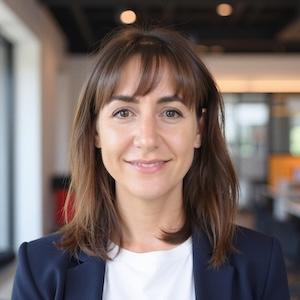
    Sarah V. Cottinghatt, MA
    Sarah V. Cottinghatt, MA

    Research Lead, Steplab; Professional Development and Learning Consultant with degrees in Educational Neuroscience, who is working to improve professional development for teachers and school leaders; Former Associate Dean, Ambition Institute; Author, Ausubel’s Meaningful Learning in Action (2023); Co-Author, Coaching for Adaptive Expertise: Developing Teachers Who Make Better Decisions (2026)
    Show Your Work: Motivating Students With the Science of Learning
    Beth A. Hawks, BA
    Beth A. Hawks, BA

    Founder/Consultant, The Learning Hawk; Science Teacher and Science Department Chair, Grace Christian School, who provides professional development on the brain and learning

    Co-Sponsors Include:

    Texas Behavioral Science & Policy Institute, University of Texas, Austin
    The Neuro-Education Initiative, Johns Hopkins Graduate School of Education
    School Development Program, Yale University
    LEARNING & the BRAIN® Foundation
    Strategic Learning and Motivational Beliefs Lab, The University of Texas, Austin
    Education Program, American Psychological Association
    National Association for Elementary School Principals (NAESP)
    National Principals Association (NPA)
    Mindful Education Laboratory, New York University