

8:00 AM – 11:00 AM
Cost per person: $169
By advance registration only.
Add $30 fee if you are not attending the conference.
All pre-conference workshops will be offered LIVE in Austin, TX only. There is no virtual option.

Based on Mike Anderson’s latest book, Hugging Porcupines: Month-by-Month Strategies to Support Our Most Challenging Students, this workshop will offer practical strategies for educators who work with kids who struggle with relationship and regulation in school. You will explore why some students push us away (even though they so desperately want connection), resist learning (even though they need academic skills), and break rules (even though it would be so much easier to just “do what they should”). Discover several key strategies that can help—ones that enable educators to be warm and demanding, supportive, and empowering. This workshop will be active and interactive, so come ready to collaborate with colleagues. You will also receive access to an online binder packed with resources to support ongoing learning and implementation.

Mike Anderson, MS, Former Elementary School Teacher; National Milken Educator Award recipient; Former Program Developer, Northeast Foundation for Children; Author, Hugging Porcupines: Month-by-Month Strategies to Support Our Most Challenging Students (2026), Rekindle Your Professional Fire: Powerful Habits for Becoming a More Well-Balanced Teacher (2024), Tackling the Motivation Crisis (2021), What We Say and How We Say It Matter: Teacher Talk That Improves Student Learning and Behavior (2019), Learning to Choose, Choosing to Learn (2016), and The Well-Balanced Teacher (2012); Co-Author, What Every Teacher Needs to Know K-5 Series (2011)
Young people often internalize their performance as a reflection of their identity. Pair that perception with a natural adolescent fear of embarrassment, and our students hide their mistakes and refrain from asking for help. Hiding their mistakes then leads to poor performance, reinforces this limiting loop, and hinders our students' ability to break free from it. The Fellowship Using the Science of Engagement at The University of Texas at Austin equips teachers with proven behavioral and cognitive science strategies to disrupt this cycle and improve engagement. Join us to learn more about those techniques and how you can implement them with your students and any other young people in your life.
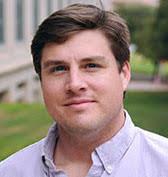


David S. Yeager, PhD, Co-Founder and Scientific Director, Alpha Motivation Lab; Raymond Dickson Centennial Professor of Psychology; Founder and Director, Texas Behavioral Science and Policy Institute, The University of Texas at Austin; Co-Principal Investigator, The National Study of Learning Mindsets, the Texas Mindset Initiative, and the Texas Behavioral Science and Policy Institute; Ryan F. Smith, MEd, Director, The Fellowship Using the Science of Engagement, Texas Behavioral Science and Policy Institute, The University of Texas at Austin; who has spent 20 years serving the students of Round Rock ISD, as a teacher, school leader, and ultimately Chief Academic Officer; Researcher who worked with hundreds of teachers and thousands of students, using the “Science of Engagement” to improve both student outcomes and teacher well-being; and Jessica Prado, MEdT, Alumna and Sr. Administrative Program Coordinator and Instructional Designer, The Fellowship Using the Science of Engagement, Texas Behavioral Science and Policy Institute, The University of Texas at Austin; Social/Behavioral Researcher; Former Coding Instructor, Bilingual and Title I Teacher at Houston-area public school districts, who has spent several years creating engaging, learner-centered online learning experiences that prioritize accessibility and inclusivity.
Retrieval practice, spaced repetition, and interleaving have earned a prominent place in teacher professional development, and the research supporting them is real. But many popular Science of Learning proponents tell only part of the story. For example, you have to have a memory to retrieve one: How are memories made? Retrieval may strengthen a memory, even if inaccurate, and feedback is essential, especially early on. Drawing on a broader view of how memory actually works from formation to reconstruction, you will be invited to think more critically about what the research says, what it doesn't say, and what that means for your classrooms.
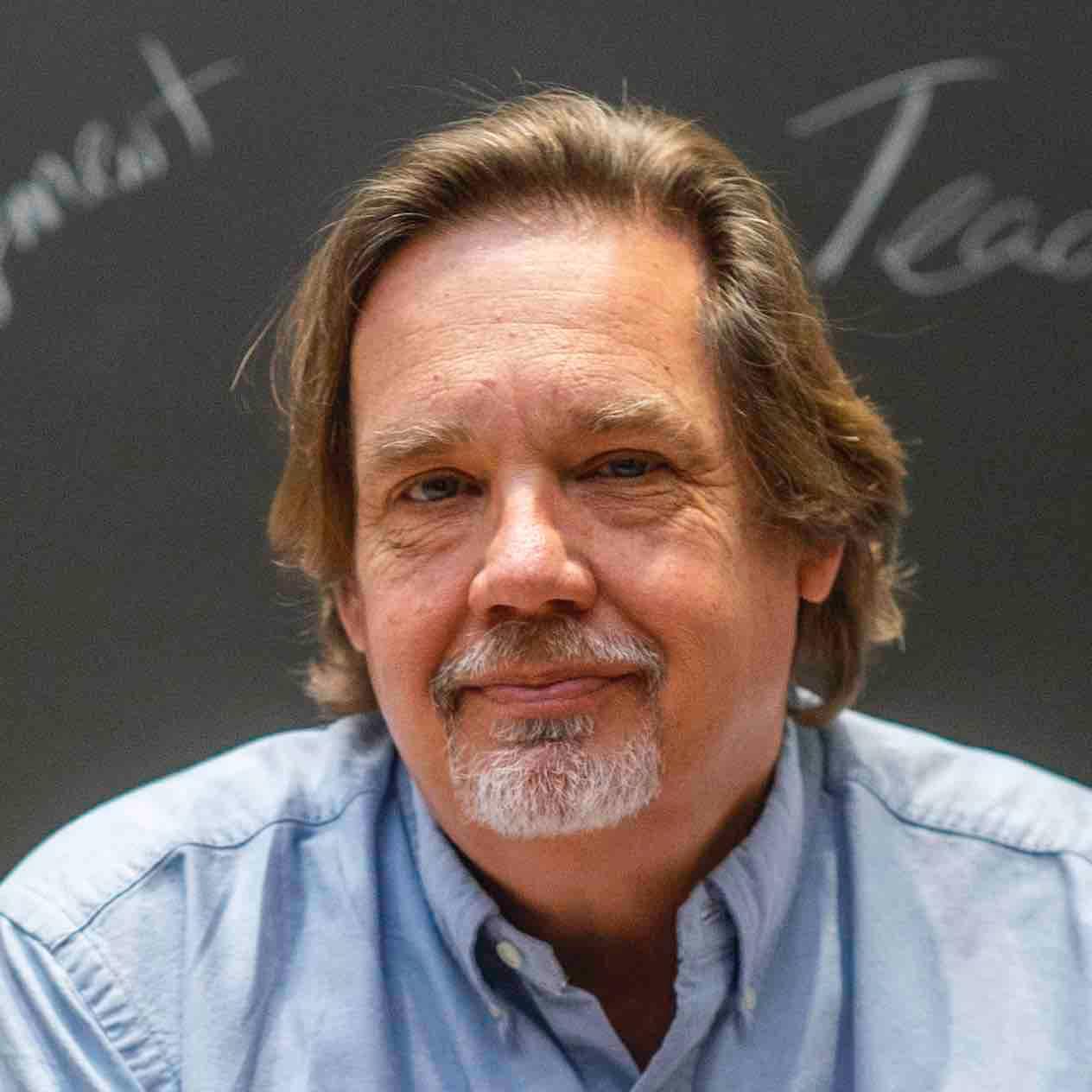
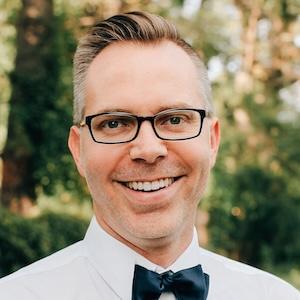
David B. Daniel, PhD, Conference Chair: Professor Emeritus of Psychology, James Madison University; Co-Author, “Toward an Ecological Science of Teaching” (2021, Canadian Psychology) and “Promising Principles: Translating the Science of Learning to Educational Practice” (2012, Applied Research in Memory and Cognition); and John T. Almarode, PhD, Professor of Education, James Madison University; Co-Editor, Teacher Educators Journal; Co-Author, How Learning Works (2021)
What if the key to deeper student engagement isn’t greater compliance, but greater agency? In this interactive workshop, you will discover how combining choice-driven learning with Project-Based Learning (PBL) can transform classrooms into dynamic environments where every student finds meaningful entry points into rigorous learning. Explore the research behind autonomy, motivation, and engagement; examine practical frameworks for providing meaningful choice while maintaining high expectations and accountability; and learn how to design PBL experiences that honor students’ diverse interests, strengths, and learning pathways. You will leave with practical, ready-to-use strategies for creating learner-centered classrooms that move beyond one-size-fits-all instruction—environments where students don’t simply participate, but take ownership of their learning.
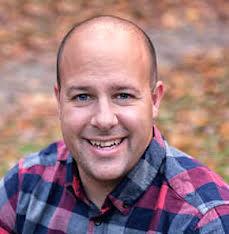
A.J. Juliani, MSEd, Founder, Adaptable Learning; Director, Learning and Innovation; Instructor, Graduate School of Education, University of Pennsylvania; Author, Meaningful and Relevant: Engaging Learners in an Age of Distraction (2025), Adaptable: How to Create an Adaptable Curriculum and Flexible Learning Experiences That Work in Any Environment (2021), The PBL Playbook (2018), Intentional Innovation (2017), Learning by Choice (2015), and Inquiry and Innovation in the Classroom (2014); Co-Author, Empower: What Happens When Students Own Their Learning (2017) and LAUNCH (2016)

© 2010-2026 Educator Resources, Inc. Teacher Conferences. All Rights Reserved.