
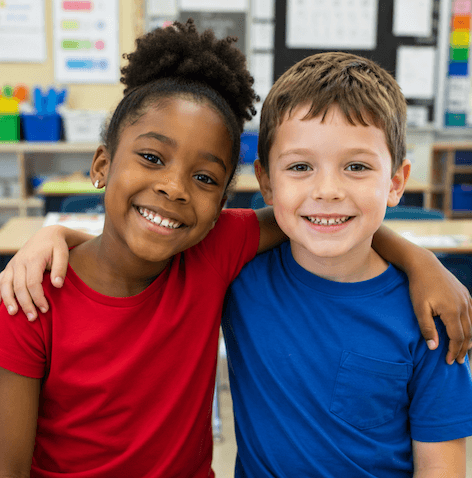
Relationships are essential for success in school and throughout life. Research from the American Psychological Association has found that strong relationships with teachers and peers enhance learning and have long-lasting implications for students' social, emotional, and cognitive development. Research from the Centers for Disease Control and Prevention (CDC) shows that students who feel a strong sense of school connectedness are more likely to earn higher grades, attend school regularly, engage in positive behaviors, and experience better mental health. Positive teacher-student relationships and supportive peer connections are also linked to reduced behavior problems, greater classroom engagement, stronger motivation, and increased prosocial behavior.
Yet, many students today struggle with loneliness, social isolation, and underdeveloped social skills. According to the 2024 OECD’s PISA study, 22% of US students reported feeling lonely at school, and 24% felt like an outsider or left out. A 2025 Gallup poll found 45% of parents of school-age children say the pandemic has had a negative impact on their child’s social skills development, and half of those, 22%, report the social difficulty for their child is ongoing.
This interdisciplinary conference brings together brain scientists, social psychologists, and leading educators to explore the “social brain” and why relationships matter for development, learning, behavior, and well-being. Discover evidence-based strategies to build belonging, relationships, and trust; strengthen social skills, thinking, and friendships; create prosocial classrooms; improve behavior and emotion regulation in socially challenged children; support student learning and social health; foster collaboration between science, schools, and communities; and boost reading and math skills through socioemotional learning.

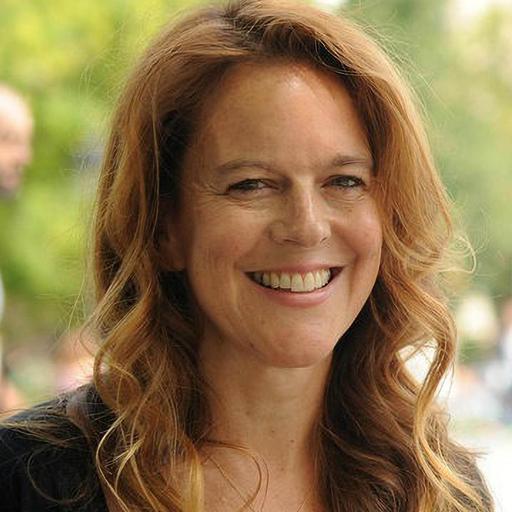
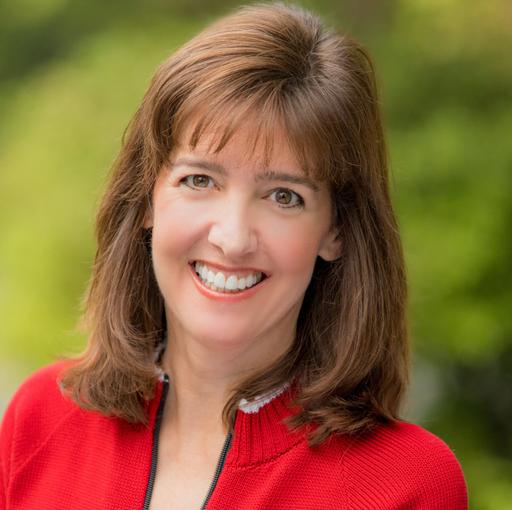
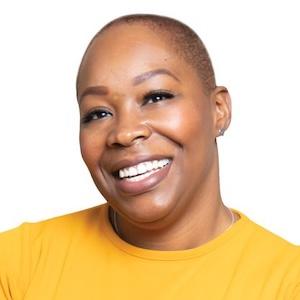
Associate Director of Child and Adolescent Applied Psychology, American Psychological Association (APA); Former High School Principal, and Education Professional with a focus on translating psychological science into practice to support teaching, learning, and student well-being; Fomer Educational Consultant, Crimson Global Academy; Certified in Google AI Essentials, Learning Experience Design from Oregon State University, and Redesigning High Schools for Improved Instruction from the Harvard Graduate School of Education; Author, “Strengthening Student and Educator Well‑Being” (2026, APA)

Associate Director of Child and Adolescent Applied Psychology, American Psychological Association (APA); Developmental Psychologists whose work focuses on developmnental social cognition; Researcher who has worked with Bay Area Discovery Museum and companies such as Fisher Price, Green Toys, and Mattel

© 2010-2026 Educator Resources, Inc. Teacher Conferences. All Rights Reserved.






copy.jpg&w=512&q=75)
.png&w=512&q=75)











%20(1)%20(1).jpeg&w=512&q=75)

.png&w=512&q=75)