Over at the Hidden Brain podcast, host Shankar Vedantam worries about our habit of sorting people into distinct categories.
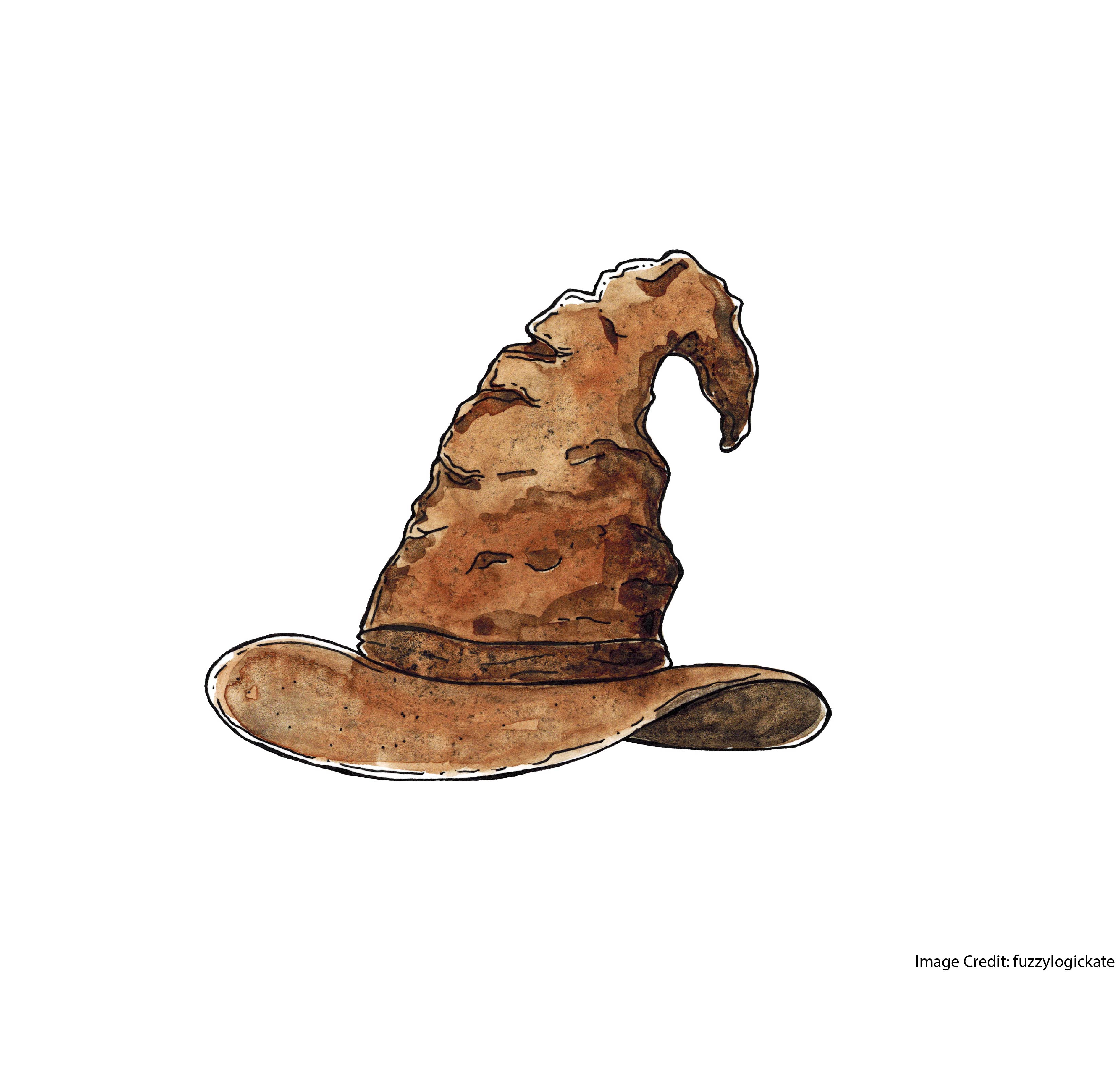
When it happens at Hogwarts with a talking hat, such sorting can be cute. When it happens in real life, it can create real damage.
Vedantam, although a skeptic, offers a helpfully balanced exploration of this question. He even interviews a psychologist who worked for the Myers-Briggs Foundation to get the best argument in favor of its responsible use.
Of course, in schools this sorting habit shows up most perniciously with learning styles. Three key points to remember about this theory:
Learning Styles Theory makes specific predictions. Research does not bear them out. To the degree that research can show a theory to be false, this theory is false.
Instead, each of us is a learning style of one.
Luckily, we are more alike than different as learners. We can help students by maintaining optimal (relatively low) levels of stress. And, by reducing distracting stimuli in the classroom. Also, by using strategies that create “desirable difficulties.”
In other words: teachers don’t need to sort students into false categories. Cognitive psychology research helps us teach our students all unsorted, just as they are.