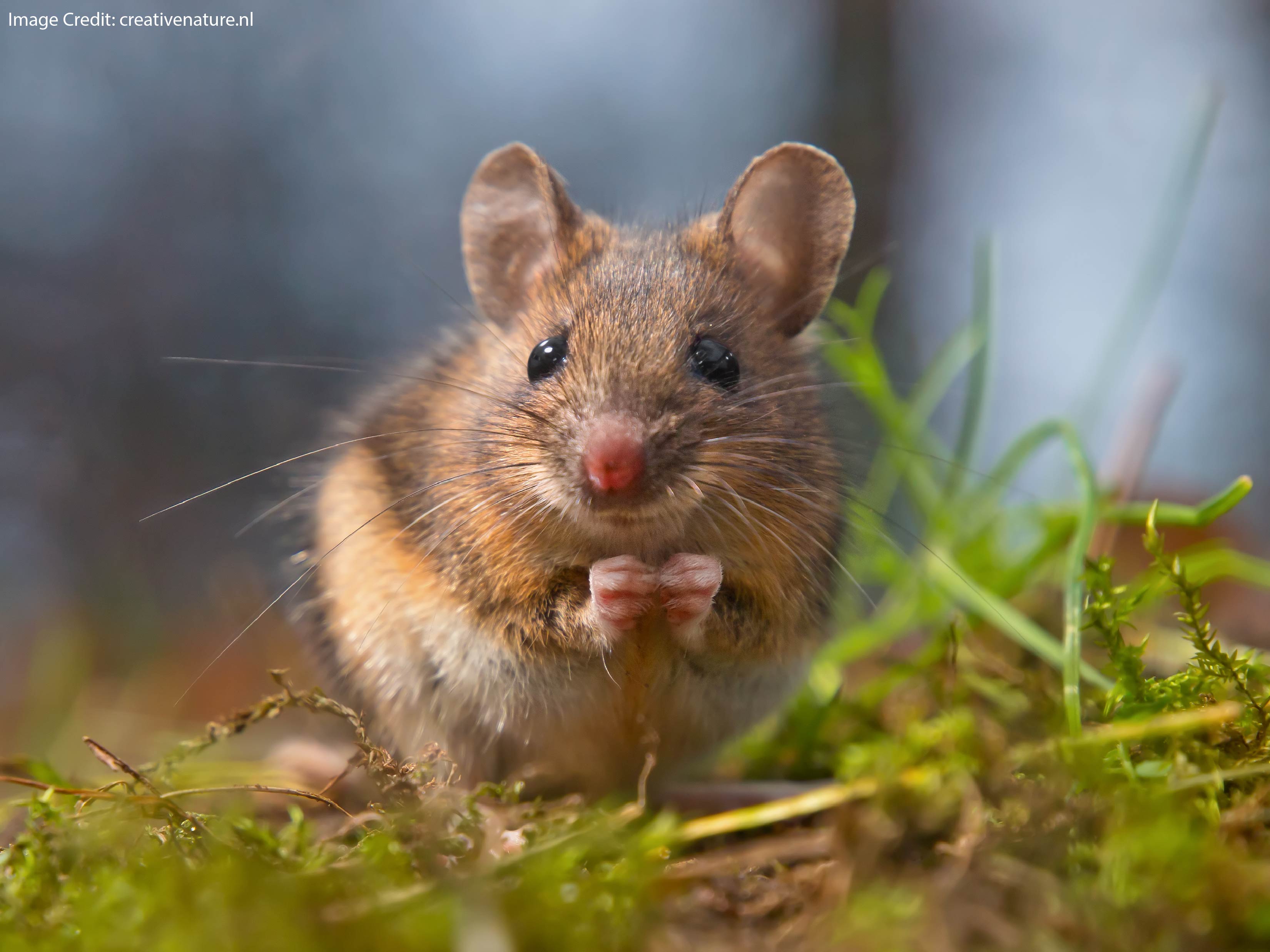
If you keep up on brain news, you have frequently had this experience:
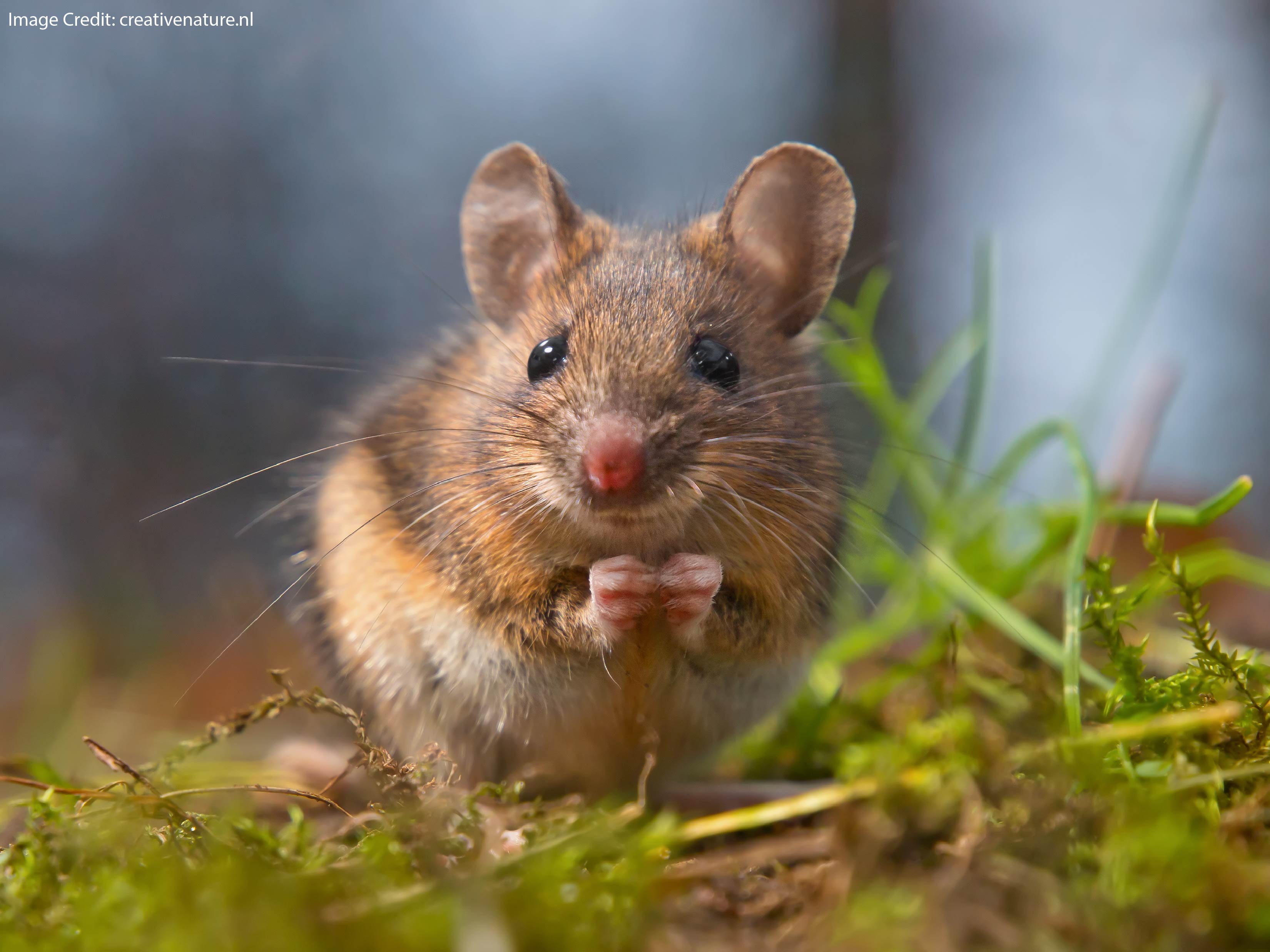
You read a newspaper headline or a blog link, and news of a potential discovery gives you an adrenaline rush:
Eating garlic may prevent age-related memory loss!
Radoiactive tracer shows effectiveness of cancer treatment!!
Ketamine may relieve depression!!!
Filled with enthusiasm, you read the accompanying article. Only to discover: the research was done on mice. The resulting adrenaline crash might cause you to desire chocolate-chip cookies (according to research done in mice).
Today’s News
Of course, mouse research is super important to establish basic biological processes. But, it doesn’t give teachers useful guidance. Ever.
(Now might be a good time to repeat one of my few absolute rules:
NEVER, NEVER, NEVER,
Change your teaching practice
Based on research
Into non-human animals.)
To highlight the foolishness of headline-hiding-the-mouse gambit, researcher James Heathers has created a vital new twitter account: @justsaysinmice.
That’s it. When you follow his account, you’ll get occasional updates with links to articles drawing breathless conclusions about research. Heathers wants you to know that the research shows results in mice.
As of this writing, Heathers’s account has 29 tweets, and north of 45,000 followers.
(By the way, we’ve written about Heathers’s skepticism before. He is developing a specialty in debunking inaccurate science communication.)
So, to tune up your skepticism skills, I encourage you to make @justsaysinmice a part of your twitter world.


![Speaking, Writing, and Learning: What the “Production Effect” Can—and Can’t—Do [Repost]](https://www.learningandthebrain.com/blog/wp-content/uploads/2026/01/AdobeStock_618760173-640x480.jpeg)