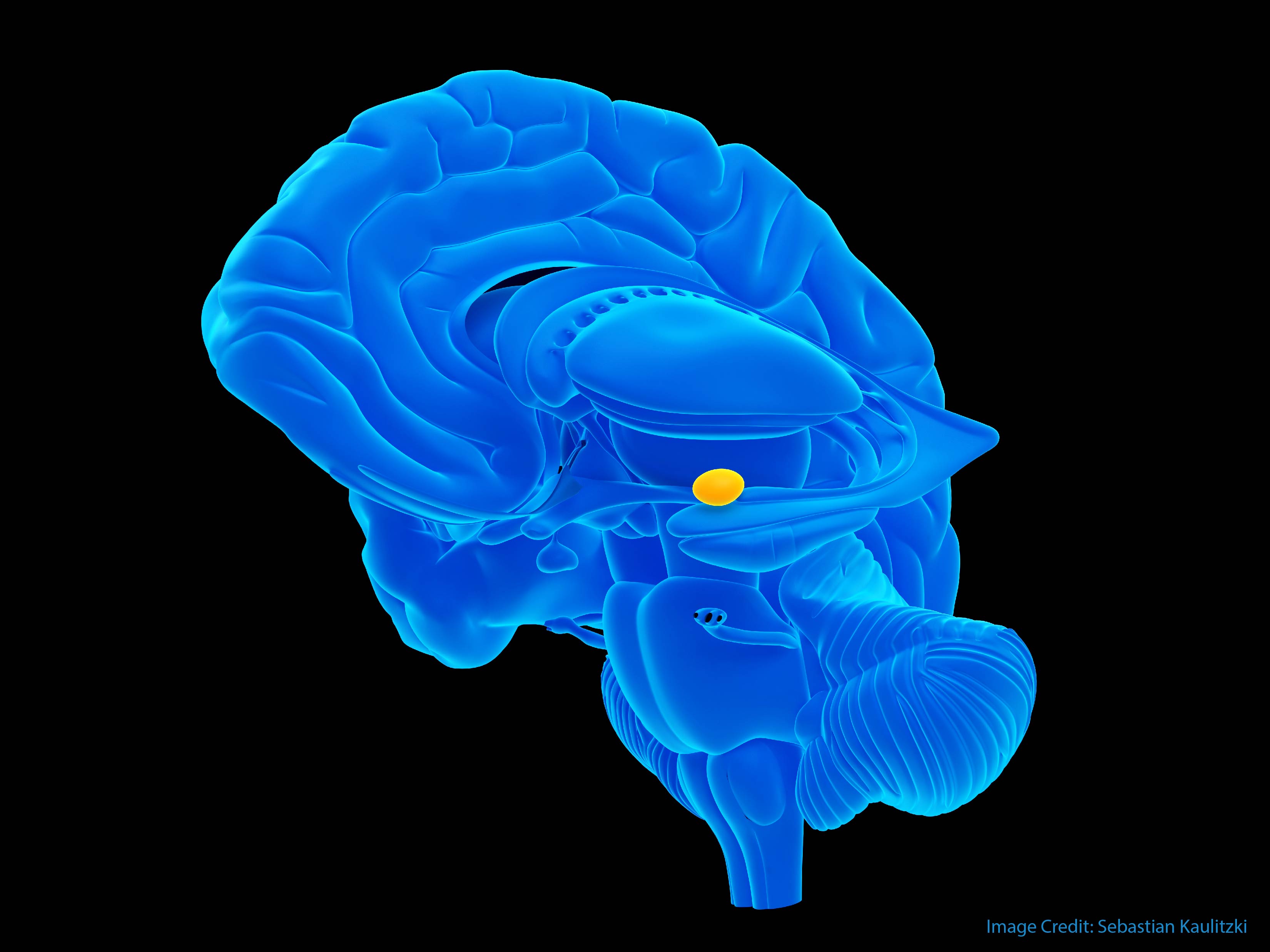
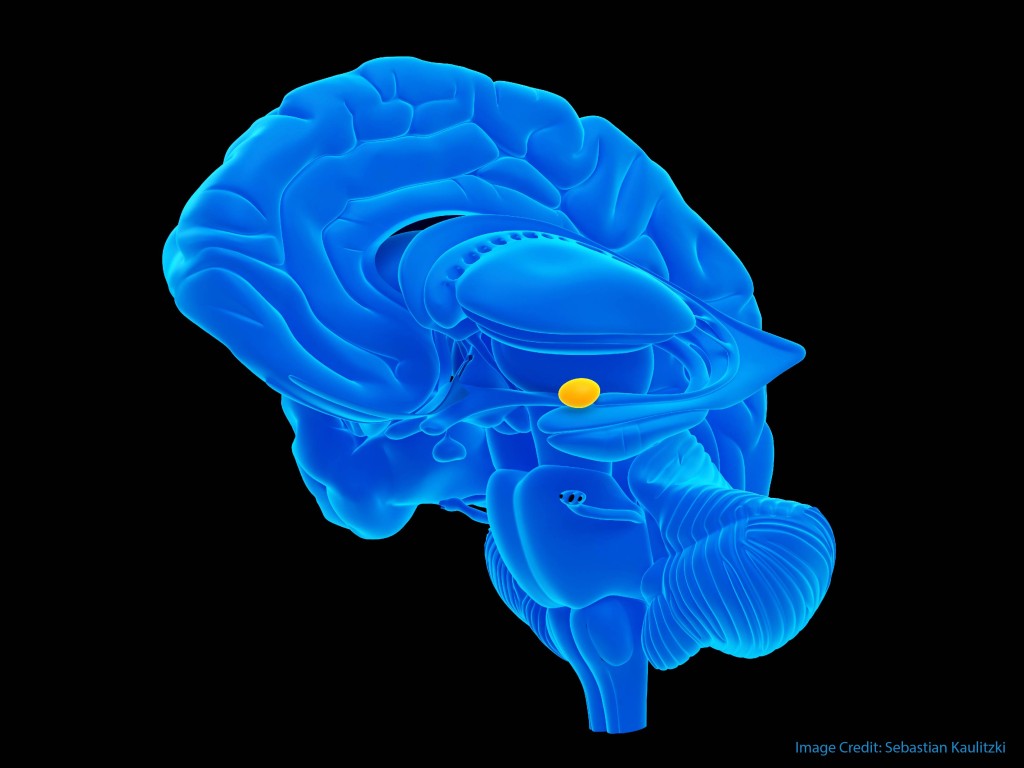
Is a man’s amygdala larger than a woman’s? And: why does it matter?
The amygdala is central to neural networks that process strong negative emotions: especially fear and anger. Because psychological studies have shown gender differences in the expression of these emotions, researchers have hypothesized that men might have a larger amygdala, on average, than women do.
That is, gendered behavior might have a biological foundation in a gendered brain.
According to a recent meta-analysis of 46 studies: not so much. Lise Eliot’s research team found no statistically significant difference between male and female amydalae.
(More precisely: men’s amygdalae are–on average–10% larger than women’s; but, men’s BRAINS are–on average–10% larger than women’s. So–relative to brain size–there is no meaningful difference.)
Of course, male and female brains are not identical. And: behavioral differences between genders are important.
However, if Eliot’s results hold up, we can no longer say that these behavioral differences result from meaningfully different amygdala sizes.